Coronavirus disease 2019 (COVID-19), also known as COVID and the coronavirus, is a contagious disease caused by severe acute respiratory syndrome coronavirus 2 (SARS-CoV-2). The first known case was identified in Wuhan, China, in December 2019.[7] The disease has since spread worldwide, leading to an ongoing pandemic. There were some serious effects of covid during this pandemic and the most common effect was “ The Bad Mental Health”. In this global humanitarian crisis of the COVID-19 pandemic, mental health issues have been reported from all over the world.
Best Endurance Exercise
Endurance
Endurance, or aerobic, activities increase your breathing and heart rate. They keep your heart, lungs, and circulatory system healthy and improve your overall fitness. Building your endurance makes it easier to carry out many of your everyday activities. Walking or jogging, mowing, raking, digging and Dancing are kinds of this type.
Best endurance exercises
Walking
Walking is simple, free, and flexible. Plenty of walking options exist, including the track, the street, the forest, the mall, and the treadmill. You can vary the intensity of walking to match your fitness level. Walking is a good first choice when starting an exercise program. It is also a good choice for exercisers with joint problems.
Cycling
Cycling doesn’t have to be a tour de force at the Tour de France. People at all fitness levels can benefit from this endurance-building intervention. In fact, people who are 50 or more pounds overweight may find cycling on a stationary bike the ideal first exercise option because it can improve cardiovascular health sans the mechanical stress on the back, hips, knees, and ankles secondary to walking.
Running
Running (including jogging) is the most challenging type of endurance exercise. When going for a run, the main advantage of treadmills vs overground running is that treadmills permit various physiological measures to be recorded within a controlled space. For athletes, this allows greater control over performance variables such as running velocity and surface gradient, as well as environmental variables such as ambient temperature, wind speed, and relative humidity.
Swimming
For beginners, non-swimmers, or those of low-exercise tolerance, swimming may not be the best fit. Indeed, with a recommended 30- to 60-minute session, it may be downright dangerous for those who are unable to maintain the appropriate intensity. But for everybody else, swimming is aces. Of note, because swimming concentrates on small upper body musculature and is, by nature, more inefficient than cycling or walking, people with certain heart conditions may not be good candidates for this type of exercise
Benefits of drinking Beer
1. Beer can help protect your heart.
Studies suggest moderate beer drinking* may make you less likely than those who don’t drink to suffer from hearts attacks, strokes or heart disease. In fact, studies evaluating the relative benefits of wine versus beer versus spirits suggest that moderate consumption of any alcoholic beverage is associated with lower rates of cardiovascular disease
2. Beer helps prevent kidney stones.
Drinking beer could help reduce your risk of developing kidney stones. According to a recent study, men and women who reported drinking a moderate amount* of beer reduced their risk of developing a stone by 41 percent. Beers that contain a lot of hops — for example, pale ales — are rich in kidney health-promoting phytochemicals.
3.Beer lowers bad cholesterol.
The soluble fiber in beer can reduce you LDL or bad cholesterol . Increasing your intake of soluble fiber has numerous health benefits, including the promotion of healthy blood-sugar and blood-cholesterol levels. However, because alcohol interferes with the body’s ability to absorb vitamins and minerals, it can also lessen the body’s ability to burn stored fat.
4. Beer helps reduce stress.
Researchers found that two glasses of beer a day can reduce work-related stress or anxiety. However, routinely turning to alcohol to help cope with stress may do more harm than good

Benefits and risk of running everyday
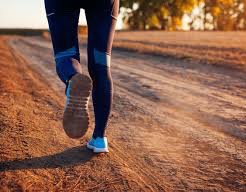
Running every day may have some health benefits. Studies show that running just 5 to 10 minutes each day at a moderate pace may help reduce your risk of death from heart attacks , strokes, and other common diseases. But the same research also shows that these benefits top off at 4.5 hours a week, meaning there’s no need to run for hours each day. Running is a high-impact exercise and overtraining can lead to injuries such as stress fractures and shin splints.
What are the benefits of running everyday
Running every day may have benefits for your health. Studies show that the benefits of running for just 5 to 10 minutes at a moderate pace (6.0 miles per hour) each day may include:
- reduced risk of death from heart attack or stroke
- reduced risk of cardiovascular disease
- lower risk of developing cancer
- lower risk of developing neurological diseases like Alzheimer’s Parkinson’s diseases
While these benefits can be achieved by a minimal amount of daily running, running 2.5 hours per week, or 30 minutes, five days a week to enjoy maximum longevity benefits.
Other benefits of running may include improved sleep and mood. Healthy adolescents who ran for 30 minutes at a moderate-intensity pace every morning for three weeks. Their sleep, mood, and concentration ability during the day tested better than a control group of non-runners.
You may be able to experience these same benefits from 30 minutes of other daily activity, too, such as walking, cycling, swimming, or yoga
Risk from running every day
Running every day may increase your risk for an overuse injury. Overuse injuries result from taking on too much physical activity, too fast, and not allowing the body to adjust. Or they can result from technique errors, such as running with poor form and overloading certain muscles.
To avoid an overuse injury:
- Make sure you have appropriate running shoes and change out your shoes often.
- Gradually increase the number of miles you run each week.
- Mix up running days with cross training, such as cycling or swimming
- Warm up before you run and stretch after.
- Run with proper form
Protein food for vegetarians
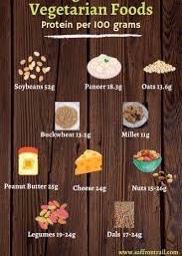
You must have often heard that if you want high protein, then start eating meat, fish, eggs. But you will be surprised to know that there are many sources of protein in vegetarian food which are more than eggs and chicken carry high protein. Actually, protein is an element made from oxygen, hydrogen and nitrogen, which makes the body strong from both inside and outside.

Protein strengthens the muscles of our body as well as strengthens the bones. Apart from this, it keeps the blood function right and also makes hair and skin beautiful. So here are some such vegetarian high protein foods which have more protein than eggs and meat.

Dryfruits and Seeds

Almonds, walnuts, peanuts and even chia seeds are rich in protein. You should include them in your breakfast daily. Almonds in particular are the best source of protein. Apart from protein, they are also rich in vitamins, minerals and fiber. By eating it regularly, you get many health benefits

Oats

One cup of dried oats contains about 13 grams of protein and 8 grams of fiber. Apart from this, it is also rich in magnesium, zinc, phosphorus and folate. Oats can be a good source of protein. You can have it in breakfast

Peanut Butter

Peanut butter is rich in protein. It is healthy as well as tasty. Peanut butter is also rich in vitamin B6, potassium, fiber, magnesium etc. If you consume it regularly then there will be no shortage of other nutrients along with protein in your body.

Green Peas

One cup of green peas contains 8 grams of protein. Apart from this, many elements like fiber, potassium, vitamins, copper are found in green peas. You can eat it both raw and cooked. In both the forms it is full off protein.

Soybean

It can meet up to 72% of the daily requirement of protein. Up to 36 grams of protein is present in 100 grams of raw soybeans. Soybeans can be used in many ways. Soya chaap is also a healthy option in the form of NutriGate

Broccoli and Cauliflower

Broccoli and cauliflower are also good sources of protein. A cup of raw broccoli has about 2.6 grams of protein while a cup of chopped cauliflower contains 2 grams of protein. Both these vegetables are also called powerhouses of protein.


These are some of the high protein food for vegetarians
Importance of physical activity or workout

Physical activity or exercise can improve your health and reduce the risk of developing several diseases like type 2 diabetes, cancer and cardiovascular disease. Physical activity and exercise can have immediate and long-term health benefits. Most importantly, regular activity can improve your quality of life.
A minimum of 30 minutes a day
Benefits of regular physical activity
Reduce stress and anxiety
Stress relief is one of the most common mental benefits of exercise. Regular Exercise can help to manage physical and mental stress. Exercise also increases concentrations of norepinephrine, a chemical that can moderate the brain’s response to stress. Being active greatly causes a reduction in tress levels. Aerobic and anaerobic physical training helpful for overall health. Study suggests that 30 Minutes Exercise for 5 or more days in a week, it helps in lowering the desperation and mental stress [25]. On the other hand Physical activity makes you more tired soyou’re more ready to sleep. Good quality sleep helps improve overall wellness and can reduce stress. Regarding anxiety, the warm and chemicals that are released during and after any physical exercise can help people with anxiety disorders calm down [26]. Jumping on the track or treadmill for some moderate-to-high intensity aerobic exercise can reduce anxiety sensitivity.
Boost happy chemicals
Exercise releases endorphins, which create feelings of happiness and euphoria. Studies have shown that exercise can even improve symptoms among the clinically depressed [28]. For this reason, doctors recommend that people suffering from depression or anxiety. In some cases, exercise can be just as effective as antidepressant pills in treating depression. Higher energy levels resulting from exercise help a person in remaining fresh and happy. Following a suitable exercise program can add some fun and brightness to the day. Working out for just 30 minutes a few times a week can instantly boost overall mood.
Improve self-Confidence and self-Image
Physical fitness can boost self-esteem and improve positive self-image. Regardless of weight, size, gender, or age, exercise can quickly elevate a person’s perception of his or her attractiveness, that is, self-worth . It has been proved that in less time of aerobic exercise and resistance training method definitely will help to improve self-image .One of the latest research was in consistency with most of the previous studies which found significant relationship between physical activity and self-esteem by using different study designs and self- esteem scales. This finding can be considered to recommend increased physical activity participation for college student who face self-esteem problems.Even if you will take your workout outside and start Exercising in the great outdoors can also increase self-esteem even more.
Increase brainpower
Various studies on mice and men have shown that cardiovascular exercise can create new brain cells (aka neurogenesis) and improve overall brain performance. Studies suggest that a vigorous workout increases levels of a brain-derived protein (known as BDNF) in the body, believed to help with decision making, higher thinking, and learning.
Sharpen memory
Regular physical activity increases memory and ability to learn new things. Getting sweaty increases production of cells in hippocampus responsible for memory and learning . For this reason, research has linked children’s brain development with level of physical fitness, but exercise-based brainpower isn’t just for kids, regular exercise can boost memory among adults, too. A study showed that running sprints improved vocabulary retention among healthy adults.
Improves muscles and bones strength
Exercise involves a series of sustained muscle contractions, of either long or short duration, depending on the nature of the physical activity. Muscle-strengthening activities can help you increase or maintain your muscle mass and strength. Strong muscles and ligaments reduce your risk of joint and lower back pain by keeping joints in proper alignment. Additionally, with exercise improvements to the circulatory and respiratory systems can facilitate better delivery of oxygen and glucose to the muscle [37]. Research shows that doing aerobics bone- strengthening physical activity of at least a moderately-intense level can slow the loss of bone density that comes with age, along with that hip fracture is a serious health condition that can have life-changing negative effects, especially if you’re an older adult. But research shows that people who do 120 to 300 minutes of at least moderate-intensity aerobic activity each week have a lower risk of hip fracture
Reduce the Risk of Heart Diseases
The heart is a muscle and needs exercise to stay in shape. When it’s exercised, the heart can pump more blood through the body and continue working at optimal efficiency with little strain. This will likely help it to stay healthy longer. Regular exercise also helps to keep arteries and other blood vessels flexible, ensuring good blood flow and normal blood pressure. Daily exercise helps in strengthening of heart muscles. It helps maintain desired cholesterol levels. Daily physical activity reduces one’s chances of stroke and the risk of heart disease. According to the American Heart Association (AHA), exercising 30 minutes a day, five days a week will improve your heart health and help reduce your risk of heart disease. You can even break it up into quick and manageable 10- minute sessions, three times a day.
Preventing Obesity
Obesity and overweight are associated with increased risk for hypertension, osteoarthritis, abnormal cholesterol and triglyceride levels, type 2 diabetes, coronary heart disease, stroke, gallbladder disease, sleep apnea, respiratory problems and some cancers. Obesity is a significant health problem all over the world for all ages. Genetics can play a role in the possibility that a person will become obese, the condition occurs when the amount of calories consumed exceeds the amount of calories expended over a long period of time. The more you exercise, the easier it is to keep your weight under control. Excess calories are stored as fat in the body, and with long-term caloric excess, an individual eventually becomes obese. Exercise can help prevent excess weight gain or help maintain weight loss. When you engage in physical activity, you burn calories. The more intense the activity, the more calories you burn. Regular exercise (and proper nutrition) can help reduce body fat. Weight loss will achieve most effectively when we follow a cardiovascular exercise of moderate- intensity activity accumulated over 5-7 days per week. Eating a healthy diet are ways in which to combat obesity.
Exercise and Diabetes
Diabetes and exercise go hand in hand, at least when it comes to managing your diabetes. Exercise can help you improve your blood sugar control, boost your overall fitness, and reduce your risk of heart disease and stroke. But diabetes and exercise pose unique challenges, too. To exercise safely, it’s crucial to track your blood sugar before, during and after physical activity. You’ll learn how your body responds to exercise, which can help you prevent potentially dangerous blood sugar fluctuations. The affect physical activity has on your blood glucose will vary depending on how long you are active and many other factors. Physical activity can lower your blood glucose up to 24 hours or more after your work out by making your body more sensitive to insulin.
Exercise and Cancer
Exercise is one of the most important actions you can take to help guard against many types of cancer. Up to one-third of cancer-related deaths are due to obesity and a sedentary lifestyle, including two of the most common cancers: breast and colon cancer.
Many people exercise to prevent heart disease, but exercise can also play a key role in preventing and reducing the danger of many cancers. It is estimated that 30 to 60 minutes of moderate to vigorous physical activity per day is needed to protect against colon cancer, endometrial cancer and lung cancer.Moststudies suggest that 30 to 60 minutes perday of moderate- to high-intensity physical activity is associated with a reduction in breast cancer risk also, there is one recent study suggested that regular vigorous activity could slow the progression ofprostate cancer in men age 65 or older.

5 Muscle Building Supplements
1. Whey Protein
Whey Protein is the protein from whey, the watery portion of milk that separates from the curds when making cheese. It is commonly used as a protein supplement. Whey protein might improve the nutrient content of the diet and also have effects on the immune system.
People commonly use whey protein for improving athletic performance and increasing strength. Whey protein is also used for asthma, diabetes,weight loss, and many other conditions, but there is no good scientific evidence to support most of these uses.
2. Multivitamin
Vitamins are the main building blocks of the body and help you maintain good health. Some believe that multivitamin supplements can also compensate for poor eating habits and even reduce your risk of chronic diseases. Multivitamin helps in muscle building, increase energies , boost immune system, keeps heart healthy
3. Omega 3
Omega-3s have been shown to reduce muscle soreness and swelling, as well increase range of motion after damaging exercise. In one study, these benefits were apparent not only for athletes, but also for those who had just started working out. Omega-3 might work within the healthy heart and skeletal muscle to reduce both whole-body and myocardial oxygen demand during exercise, without a decrease in performance.
4. Creatine
Creatine is a natural supplement used to boost athletic performance.It’s not only safe but also one of the world’s most popular and effective supplements for building muscle and strength.Creatine supplements increase your muscles’ phosphocreatine stores.Creatine is a popular and effective supplement for adding muscle mass. Creatine’s direct role in ATP production means it can drastically improve high-intensity exercise performance. Creatine improves numerous factors, including . Creatine also improves.
Continue reading “5 Muscle Building Supplements”Ways to improve mental health
1. Talking about your feelings
Talking about your feelings can help you stay in good mental health and deal with times when you feel troubled.
Talking about your feelings isn’t a sign of weakness. It’s part of taking charge of your wellbeing and doing what you can to stay healthy.
Talking can be a way to cope with a problem you’ve been carrying around in your head for a while. Just being listened to can help you feel supported and less alone. And it works both ways. If you open up, it might encourage others to do the same.
2. Do Physical activities or workout
Experts believe exercise releases chemicals in your brain that make you feel good. Regular exercise can boost your self-esteem and help you concentrate, sleep and feel better.
Exercise also keeps the brain and your other vital organs healthy.
Exercising doesn’t just mean doing sport or going to the gym. Walks in the park, gardening or housework can also keep you active.
Experts say most people should do about 30 minutes’ exercise at least five days a week.
3. Eat well
There are strong links between what we eat and how we feel, for example, caffeine and sugar can have an immediate effect.
But food can also have a long-lasting effect on your mental health. Your brain needs a mix of nutrients to stay healthy and function well, just like the other organs in your body.
A diet that’s good for your physical health is also good for your mental health.
A healthy balanced diet includes:
- lots of different types of fruit and vegetables
- wholegrain cereals or bread
- nuts and seeds
- dairy products
- oily fish
- plenty of water.
Eat at least three meals each day and drink plenty of water. Try to limit how many high-caffeine or sugary drinks you have, and avoid too much alcohol.
4. Keep in touch
Strong family ties and supportive friends can help you deal with the stresses of life. Friends and family can make you feel included and cared for. They can offer different views from whatever’s going on inside your own head. They can help keep you active, keep you grounded and help you solve practical problems.
There’s nothing better than catching up with someone face-to-face. But that’s not always possible. Give them a call, drop them a note or chat to them online instead. Keep the lines of communication open. It’s good for you!
If you’re feeling out of touch with some people, then you should start talking to them.
5. Ask for help
We all sometimes get tired or overwhelmed by how we feel or when things go wrong. If things are getting too much for you and you feel you can’t cope, ask for help.
Your family or friends may be able to offer practical help or a listening ear. Local services are there to help you.
For example, you could:
- join a support group to help you make changes to your life
- find a counsellor to help you deal with your feelings or make a fresh start
- call the council about noise nuisance
- visit a Citizens Advice Bureau if you want advice on debt.
6. Take a break
A change of scene or a change of pace is good for your mental health. It could be a five-minute pause from cleaning your kitchen, a half-hour lunch break at work or a weekend exploring somewhere new.
A few minutes can be enough to de-stress you. Give yourself some ‘me time’.
Taking a break may mean being very active. It may mean not doing very much at all.
Take a deep breath… and relax. Try yoga or meditation, or just putting your feet up.
Listen to your body. If you’re really tired, give yourself time to sleep. Without good sleep, our mental health suffers and our concentration goes downhill.
Muscle Building Food
Both nutrition and physical activity are critical if you want to gain lean muscle.

To get started, it’s essential to challenge your body through physical activity. However, without proper nutritional support, your progress will stall.

High-protein foods are very important for gaining muscle, but carbohydrates and fats are also necessary sources of energy. Some of them are

1. Eggs

Egg whites are rich in protein and amino acids, which help in building muscle mass in the body.
Choline is found in eggs, due to which memory is sharp and the brain remains active. Apart from this, vitamin B-12 present in eggs helps in removing tension.
Eating boiled eggs does not cause joint pain. Vitamin D and protein nutrients are present in eggs, which help in keeping the body healthy and make bones strong.
Iron deficiency is fulfilled by eating the pale part of boiled eggs. Therefore, if there is a lack of iron in your body, then definitely consume boiled eggs daily.

2. Milk

Milk is a good source of calories, protein, and other nutrients, it offers a balanced approach to gaining weight.

In particular, it may be helpful for athletes and bodybuilders who may need or want to gain muscle, as well as those who are underweight and want to gain weight.

Cow's milk is a significant source of protein, vitamin D, vitamin A, and calcium, as well as other essential nutrients. Many experts associate diets containing dairy with a lower risk of cardiovascular disease, type 2 diabetes, and high blood pressure. The nutrient profile of milk supports bone health.


3. Chicken Breast

Chicken breast is a great source of lean protein (protein without a lot of accompanying fat). People who eat enough protein are more likely to maintain muscle mass and preserve a healthy metabolism. Since chicken breasts are versatile and relatively inexpensive, they are a useful food to include in a balanced, healthy eating plan.

Chicken breasts contain no sugar or starch (unless they are prepared with breading or seasonings), so they have no carbohydrates. The estimated glycemic load of chicken breast is zero.

Skinless chicken breast contains a small amount of fat, less than 3 grams. It is mostly unsaturated fat (there is less than 1 gram of saturated fat in a 3-ounce portion of skinless chicken breast).

Chicken breasts are a good source of lean protein. For people who eat meat, consuming chicken is a simple way to meet some of your body's protein needs without also consuming a lot of fat. Depending on the cooking method you choose, chicken breasts are also naturally low in sodium.

4. Beetroot
Beetroot  and  its juice help your heart and lungs work better during exercise. Nitric oxide from beets increases blood flow to your muscles. Some athletes eat beetroot or drink beet juice when exercising to improve their performance.

Beets are rich in folate (vitamin B9) which helps cells grow and function. Folate plays a key role in controlling damage to blood vessels, which can reduce the risk of heart disease and stroke.

Beets are naturally high in nitrates, which are turned into nitric oxide in the body. This compound lowers blood pressure by causing the blood vessels to relax and widen.

5. Fish

Fish is a low-fat high quality protein. Fish is filled with omega-3 fatty acids and vitamins such as D and B2 (riboflavin). Fish is rich in calcium and phosphorus and a great source of minerals, such as iron, zinc, iodine, magnesium, and potassium. Eating fish is an important source of omega-3 fatty acids. These essential nutrients keep our heart and brain healthy

6. Almonds

Almonds are high in fat, but it is unsaturated fat. This type of fat does not increase the risk of low-density lipoprotein (LDL) or “bad” cholesterol.

Almonds contain relatively high levels of vitamin E. Vitamin E contains antioxidants, such as tocopherol. One ounceTrusted Source (28.4 g) of plain almonds provides 7.27 milligrams (mg) of vitamin E, which is around halfTrusted Source a person’s daily requirement.

Vitamin E and other antioxidants help prevent oxidative damage in the body. This damage can occur when too many free radicals accumulate.

7. Sweet Potato

Sweet potatoes offer various antioxidants, which may help protect against certain types of cancers

The fiber and antioxidants in sweet potatoes are advantageous to gut health.
Sweet potatoes are a great source of fiber, vitamins, and minerals

Healthy Vegetarian Food
1. Spirulina
Spirulina is a blue-green algae and king among proteins. It has a very high protein concentration of 70%. This means it contains more protein than meat and dairy. Spirulina powder can easily be added to a smoothie or dish or you can take supplements daily.
2. Peanut butter
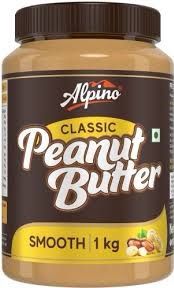
It is not only healthy, but also tasty and rich in protein. Peanut butter contains about 25g of protein per 100g. In general, most types of peanut butter are vegan.
3. Nuts and peanuts
These vegan proteins are not to be missed. Peanuts contain most proteins at 26 g per 100 g. Almonds, pistachio, and cashew nuts are also good options. Eat them as a snack or add them to a vegetarian curry.
4. Porridge oats
Oatmeal is a perfect breakfast or post-workout meal to consume protein. It contains about 13 grams of protein per 100 grams and is easy to combine with other vegan proteins. Add soy milk (good for 7 g protein), a spoonful of peanut butter, a handful of nuts and some blueberries and you’ve created your own protein booster.
5. Tofu and tempeh
These meat substitutes both contain 12g of protein per 100g and are very versatile. For example, you can use them for all kinds of stir-fry dishes, curries and salads, or eat them loosely fried next to a portion of vegetables and rice.
6. Vegan protein powder
If you feel you need an extra boost in addition to these plant-based products, try one of the many vegan protein shakes that are available nowadays.
 Site Title